Rev Bras Oftalmol.2026;85:e0010
Epidemiology and resolvability of ophthalmological emergencies and urgent cases at a reference hospital in Paraná

DOI: 10.37039/1982.8551.20260010
ABSTRACT
Objective:
To evaluate the epidemiological and clinical profiles, outcomes, and follow-up visits of patients treated in the emergency department of a reference hospital in Paraná, Brazil.
Methods:
This observational, cross-sectional, and retrospective study analyzed medical records from the emergency department of a reference ophthalmology hospital in Curitiba, Paraná, from December 21, 2021 to March 20, 2022.
Results:
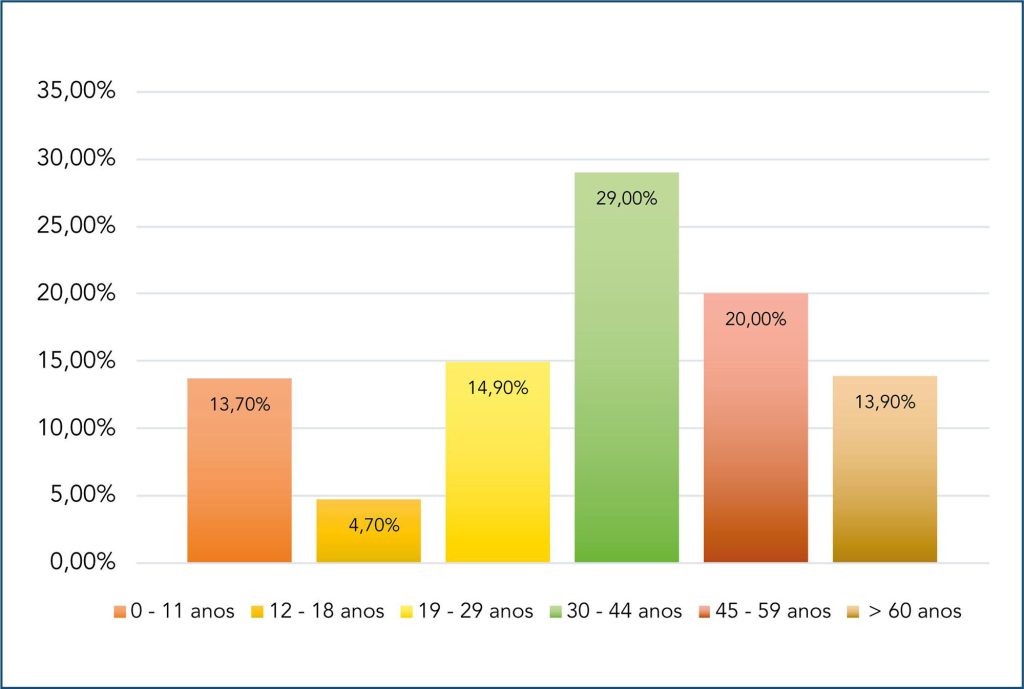
A total of 8,072 medical records were examined, of which 6,565 were new complaints, 620 were follow-up visits, and 887 were incomplete records. There was a slight predominance of female patients (50.9%). The average age was 38.6 years. The most common reason for consultation was red eye (35.9%), followed by ocular pain (20.3%). The primary diagnostic examination performed was biomicroscopy (99%). The diagnoses revealed a profile typical of low-complexity diseases, such as conjunctivitis (20.1%), hordeolum (15.6%), keratitis (14.9%), and blepharitis (14.3%). The main treatment approach was clinical (97.3%), and the most frequent outcome was discharge (83.1%). An analysis of 620 follow-up visits was performed to determine the Unnecessary Return Rate (URR), which was calculated by dividing the number of follow-ups with improvement or resolution (398) by the total number of follow-up visits (620). The study revealed a URR of 64.2%.
Conclusion:
Most medical records showed uncomplicated ocular conditions, likely because patients overestimated the severity of their symptoms. These conditions could have been managed in outpatient settings or through elective consultations, thus avoiding the inappropriate use of specialized emergency services. Furthermore, 64.2% of follow-up consultations were deemed unnecessary and could have been resolved with more effective outpatient referrals. This underscores the necessity of improving the organization of patient re-evaluation pathways and referral systems.
Keywords: Clinical diagnosis; Emergency; Epidemiology; Medical records; Ophthalmology