Rev Bras Oftalmol.2025;84:e0056
Prevalence of blindness in an elderly quilombola population in the northern region of Tocantins

DOI: 10.37039/1982.8551.20250056
ABSTRACT
Objective:
To determine the prevalence of blindness in elderly people from quilombola communities located in the immediate geographic region of Araguaína, in the north of Tocantins.
Methods:
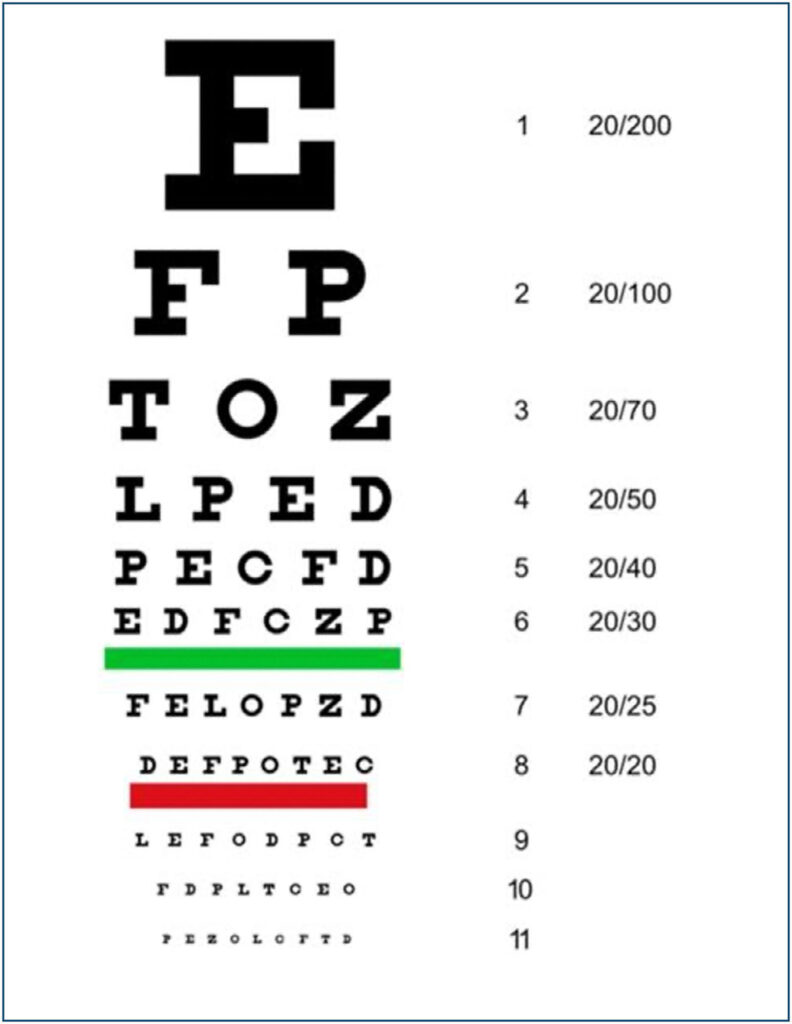
A cross-sectional study was carried out, in which 80 residents, aged 60 or over, from 4 certified quilombola communities in this region were examined: Pé do Morro, Baviera, Dona Juscelina, and Cocalinho. Everyone answered a questionnaire on demographic and socioeconomic variables, and underwent a visual acuity exam, using the Snellen Table. For exam classification, blindness was defined as a corrected visual acuity equal to or less than 20/200 in at least one eye.
Results:
Eighty elderly people from these quilombola populations were examined, of which 52.5% were female. Age ranged from 60 to 86 years. Of the individuals examined, 19 were blind, of which 57.9% were male. Regarding the age group, 73.7% of the elderly with blindness were 70 years old or older.
Conclusion:
The prevalence of blindness in elderly people aged 60 or over observed in the quilombola population studied is quite high compared to the general Brazilian population.
Keywords: Aged; Blindness; Brazil; Eye health; Health of the elderly; Prevalence; Quilombola communities