Rev Bras Oftalmol.2026;85:e0005
Limbal stem cell transplantation in patients with chemical burns to the ocular surface

DOI: 10.37039/1982.8551.20260005
ABSTRACT
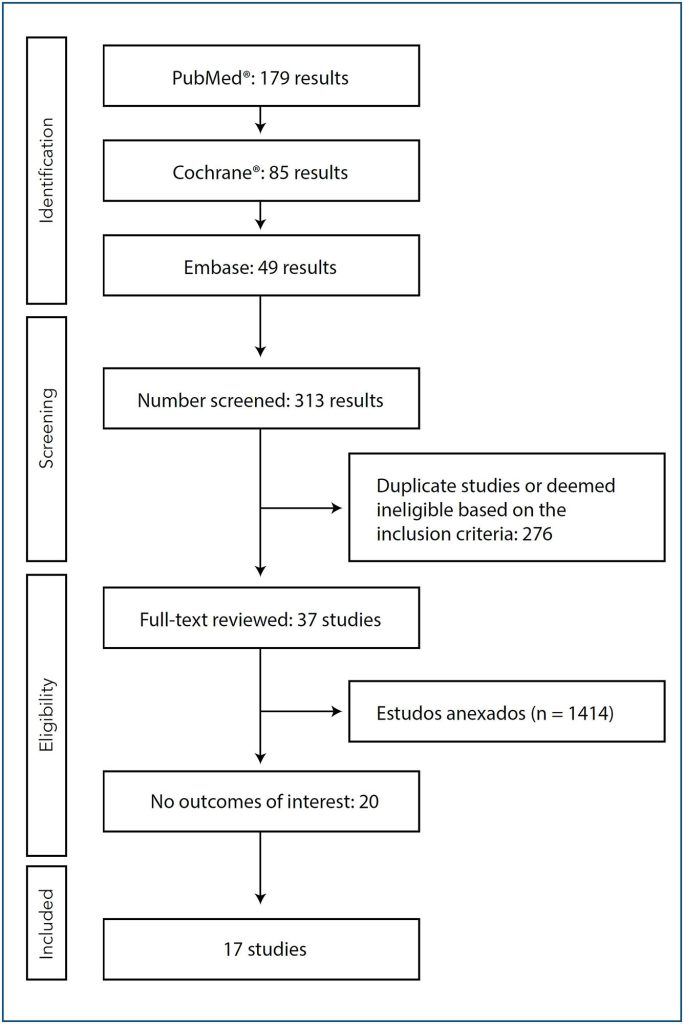
Our objective was to evaluate and describe the techniques and outcomes of limbal stem cell transplantation in patients with limbal stem cell deficiency after chemical burn of the ocular surface. We performed this literature review using the PubMed® (MEDLINE), Cochrane and Embase (Elsevier) databases. Of the 313 studies found, 276 were removed as duplicates and ineligible based on the inclusion and exclusion criteria; 17 articles remained after full reading, classified according to the criteria of interest, and 1 article was included manually as it was essential for this study. After careful analysis of the literature, we identified that conjunctival limbal autograft has a higher success rate and fewer complications than conjunctival limbal allograft. Allogeneic grafts require immunosuppressive therapy; and autologous cultivated limbal epithelial transplantation, although being considered the standard of care for unilateral limbal stem cell deficiency, has the disadvantage of high financial cost. Chemical injuries were once considered an irreversible cause of blindness. There is no single treatment for all possible burns, but with all the evolution, there are several possible reversal techniques. Each case must be evaluated according to the causal factors and degree of involvement of the ocular surface.
Keywords: Chemical burns; Córnea; Limbal stem cell