Rev Bras Oftalmol.2026;85:e0029
Acquired vision loss and self-image concept: lived experience according to gender – A scoping review

DOI: 10.37039/1982.8551.20260029
ABSTRACT
Introduction:
Visual images play a fundamental role in social cognition, functional autonomy, and personal identity. Acquired vision loss represents a potentially disruptive experience, with consequences that extend beyond sensory impairment and affect the processes through which self-image is constructed and reconstructed.
Objective:
Given the relevance of this construct and the influence of sociocultural determinants related to gender, this scoping review aimed to map the existing scientific evidence on the relationship between acquired vision loss and self-image perception in men and women.
Methods:
The review was conducted in accordance with the Joanna Briggs Institute methodology, with the protocol registered on the Open Science Framework. A comprehensive search was carried out in Medline Complete, Scopus, and Web of Science, complemented by grey literature, including studies published in Portuguese, English, and Spanish.
Results:
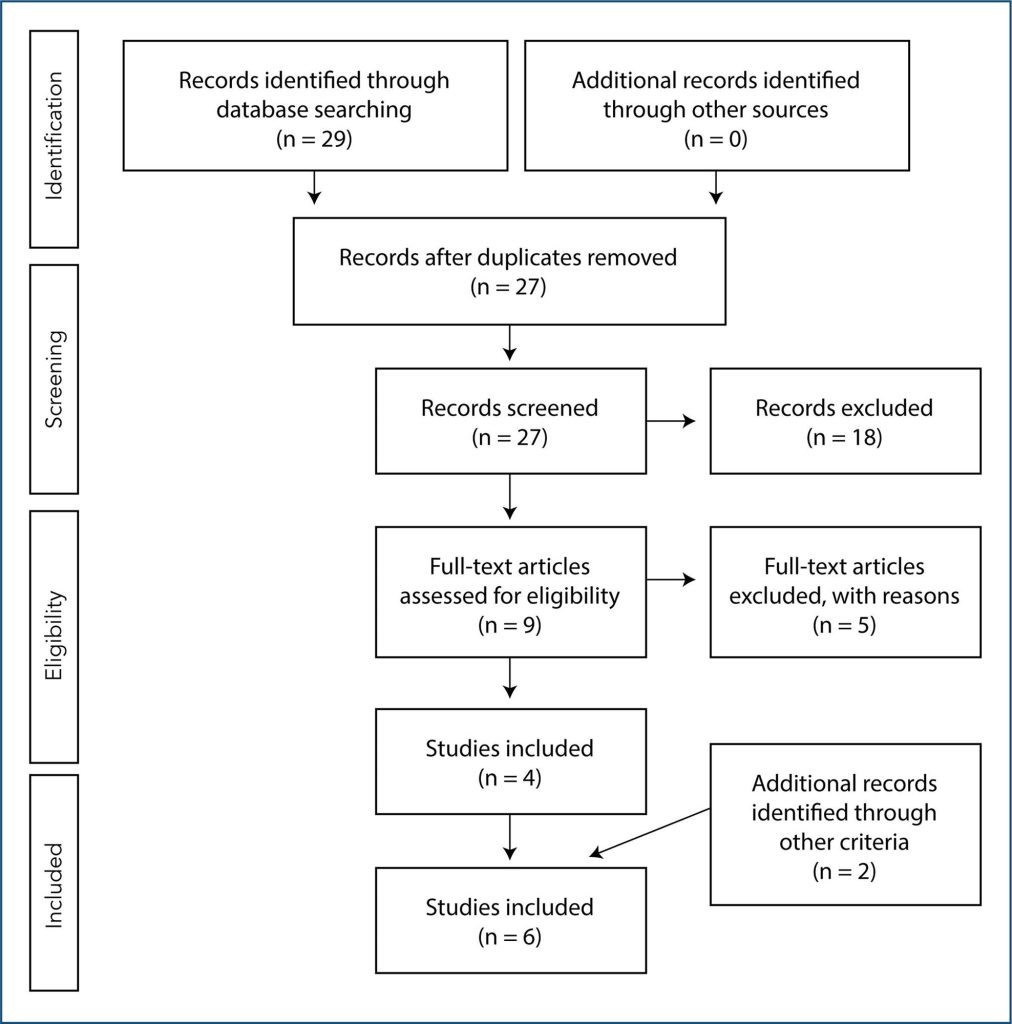
Five studies met the inclusion criteria and were analysed. The findings indicate that acquired vision loss impacts multiple areas of life, particularly autonomy, activities of daily living, psychosocial well-being, and interpersonal relationships. However, the available literature addresses self-image perception only indirectly, and gender-sensitive analyses remain notably scarce.
Conclusion:
This evidence gap highlights the need for future research exploring the subjective experience of self-image following acquired vision loss. Such knowledge is essential to inform the development of more humanised, integrated, and person-centred interventions, aimed at promoting identity preservation and improving quality of life.
Open Science Framework (OSF) registry:
10.17605/OSF.IO/GD4BU
Keywords: Blindness; Gender identity; Quality of life; Self-concept; Visual impairment